
THOUGHTS ON CLIVE DAVIS
The record executive just passed at age 92

Clive Davis was my first record business teacher. I was in high school when I first picked up a paperback of his 1975 book, Clive: Inside the Record Business, which chronicled how he transitioned Columbia records from a Broadway, classical and jazz based record label into one that lead the rise of rock music with a series of signings that included Sly & the Family Stone, Janis Joplin, Santana, and Earth, Wind & Fire. Moreover he encouraged Miles Davis in his funky electric direction that revolutionized the sound of jazz and funded Kenny Gamble & Leon Huff’s Philadelphia International empire. Davis’ book was building block for me as began starting my career as a music journalist.
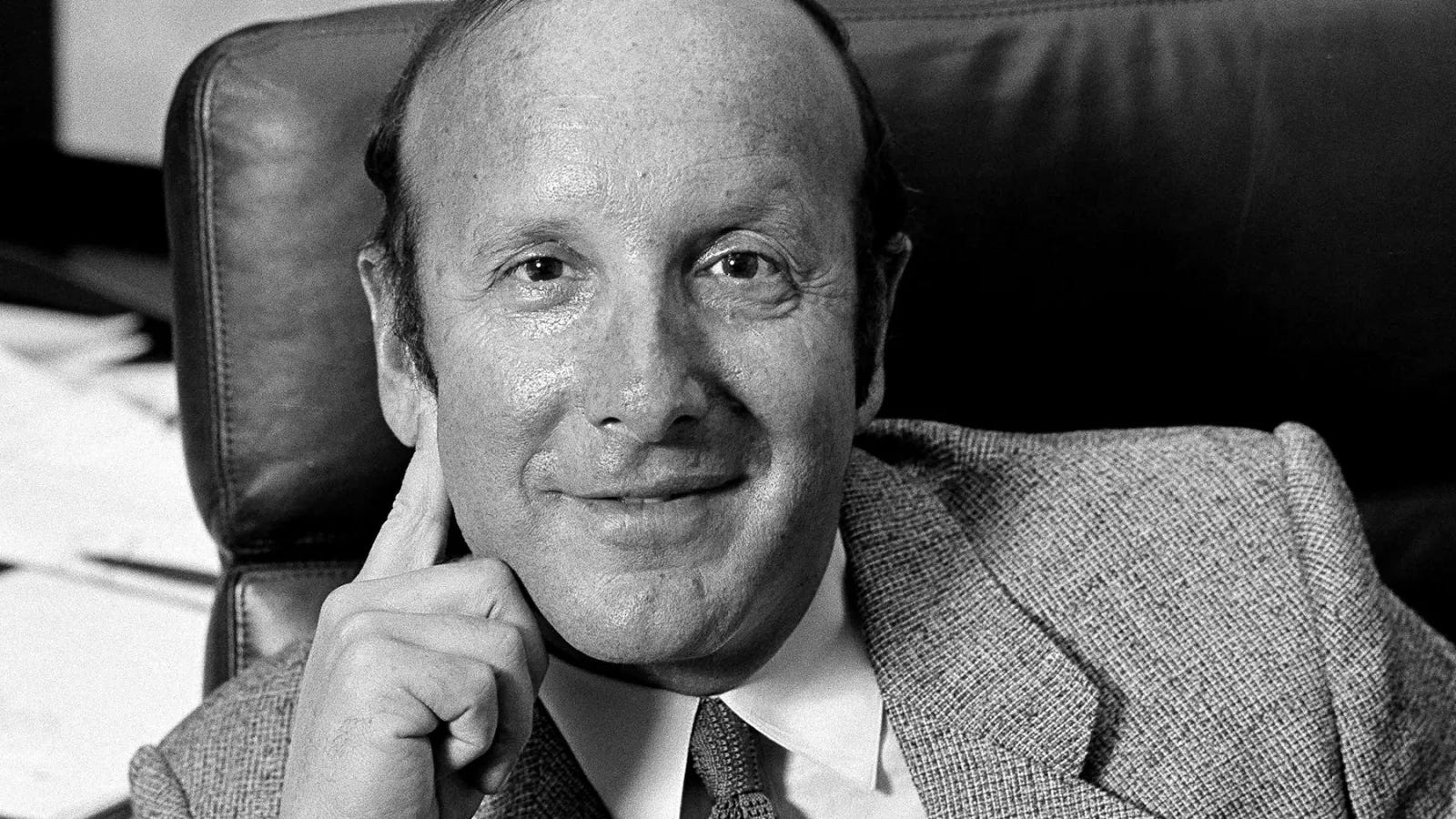
CLIVE DAVIS DURING HIS DAYS AT COLUMBIA
When he was kicked out of Columbia, Davis took over a moribund Bell records, renamed it Arista and his first signing was the activist poet turned singer/songwriter Gil Scott-Heron. In the ‘70s he used “Mandy” to make Barry Manilow a pop star, signed a varied group of young of female vocalists (Phyllis Hyman, Melissa Manchester, Patti Smith.) In the ‘80s he revived the careers of Aretha Franklin, Dionne Warwick and Santana. He positioned Whitney Houston as major pop star from her first single. Just as he’d supported Gamble & Huff in the ‘70s, Davis bankrolled LA & Babyface’s LaFace and Sean Combs’s Bad Boy and helped promote hip-hop as pop music, not niche music. During this period I actually had a meeting with Davis at Arista about a possible A&R position. Honestly I took the meeting out of respect for Davis. I really wasn’t interested in working at a record company. Still to have the Arista president play records and talk about his philosophy (which came down to “songs” are king and “arrangement” is queen) was a treat. I was not a fan of the repertoire of songs he selected for Whitney Houston. But she loved them (‘cause I asked her) and mostly they were hits, which was his job to create.
Later, when corporate drones tried to retire him and take Arista from him, Davis outsmarted them and forced the powers that be gave him J records, which gave him yet another chance to build a formidable roster and prove his ears were still sharp. At the turn of the century I sat with Davis again as he outlined his vision of school of music that paralleled the school of cinema at New York University. In 1999, during the sudden rise of Napster, I taught two pilot classes called The History of Recorded Music. It was crazy to be teaching a course on the journey of the music business as that very journey was being rewritten. Davis and NYU then moved to build a true Clive Davis School of Music, which has evolved into place where scores of young musicians and record executives have graduated, becoming part of the generation that’s now navigating streaming, social media and the challenges of touring post-pandemic.
I’ve seen all kinds of nasty rumors aimed at Davis. That he abused Whitney Houston’s talent and didn’t save her from her demons. That he enabled Sean Combs’ terrible behavior. What’s provable is that he saw black music as pop music when other white executives didn’t. What’s true is that he developed black music departments at Columbia and Epic that employed hundreds of black executives, jump starting careers and influencing other labels to follow his lead. What’s true is he outlasted Berry Gordy, Mo Ostin, Bob Kransow and all the legendary record executives of his generation in defiance of age and taste.
RIP Clive Davis.