
JOHN MCCLAIN: RECORD MAN
Reflecting on the recent death of an old friend at age 71

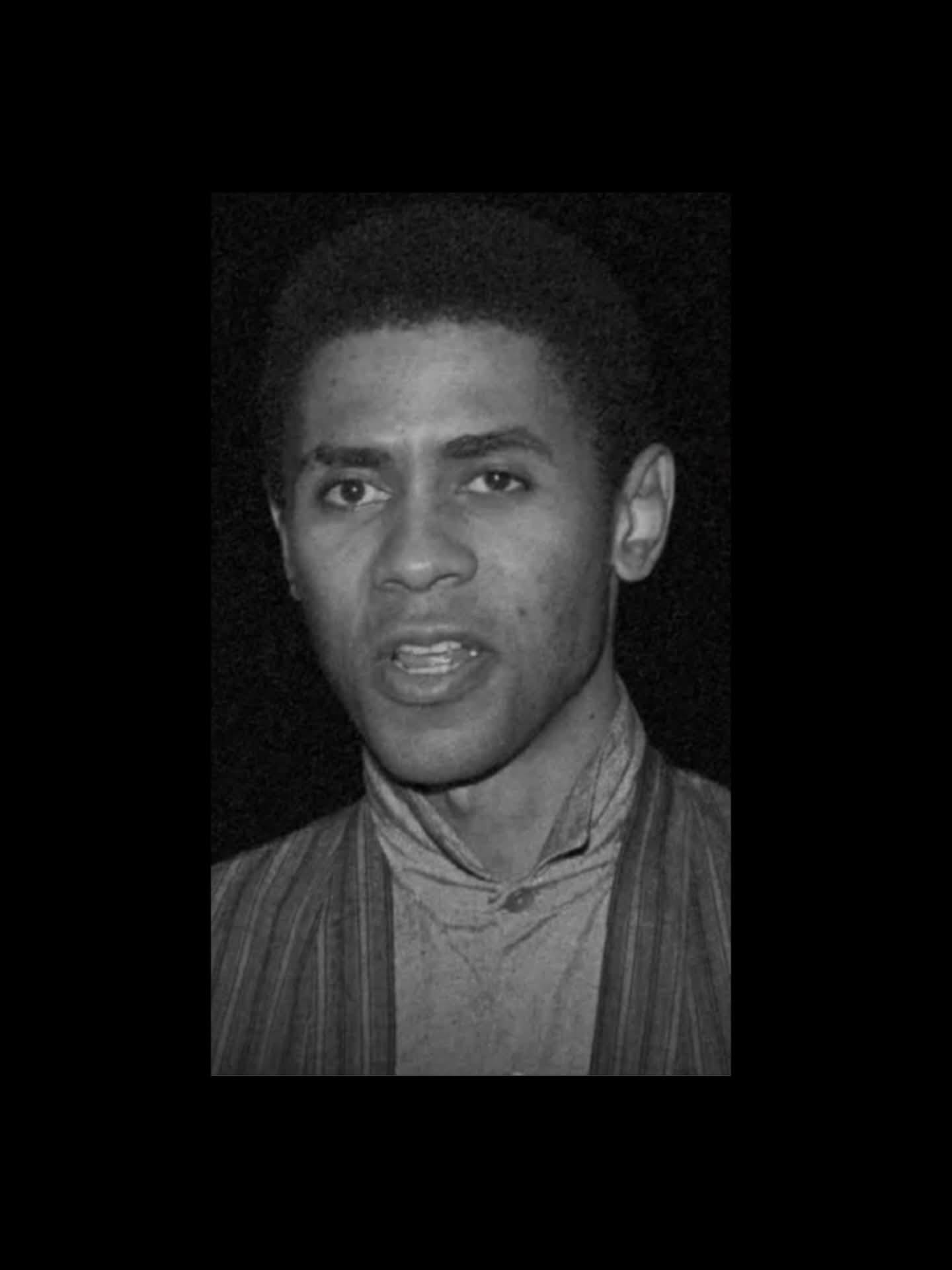
RIP JOHN MCCLAIN
When I started traveling to L.A. regularly in the early ‘80s as a music trade reporter a handful of young black executives embraced me and showed me the ropes of a city very different from New York. I was taken to Lakers games, expensive restaurants and guided into the city nightlife, which was really poppin’ in that era. There were black clubs in Hollywood then and nightly showcases for new acts. Of course these young men and women were cultivating me for good press and I was fine with it. Most of the leading figures in the black music business pre-hip hop were in L.A. I needed a crash course in who was who. As New York R&B rebounded and then hip hop exploded, I would later introduce my L.A. friends to the musicians and executives they wanted to know in the Apple.
These executives, all within a few years of me in age, aspired to be true “record men” steeped in the excitement of making stars, finding hit records and making a grip. It was a music lovers gig, a hustlers opportunity and a legal lane where a young black person could thrive. One of those who befriended me was John McClain, a rising A&R executive at A&M Records. Younger John was tall, extremely well dressed and personable, and was plugged into young monied black Hollywood. Between Motown’s move to L.A., blaxploitation movies and a slew of network sit-coms, there was a generation of black kids who’d grown up going to good schools, having nice cars and even surfing on the weekends. John himself had gone to high school with several of the Jackson’s and was a close friend of Jermaine, Jackie and young Michael.
However young McClain was more than just a rich kid. His mother Dorothy Donegan was a flashy jazz pianist who enjoyed a long, successful career in a male dominated space. So John had good musical DNA, having studied theory, first as a pianist and then as a guitarist. He got proficient enough to book session gigs in the very competitive L.A. recording scene and work as musical director for the Sylvers family vocal group. A&M records, owned by trumpeter Herb Alpert and Jerry Moss, had a rep for signing acts of real musical quality (Quincy Jones began his transition from jazz to pop there with his solo albums and producing the Brothers Johnson), so he wouldn’t have been hired there without poise and moxie.
McClain had a very relaxed and distinctive accent that I always sounded vaguely Southern. He had a quick wit and was definitely ready to point out hypocrisy and racism when he saw it, though he knew how to be political when necessary. But he was mostly a straight talker who very much believed in the power of music as social and motivational force, often chafing at limitations imposed on black people within the music business despite how essential our creativity was to it.
Many years later that I found out about his father, John T. McClain, a man whose name was spoken about with the utmost respect in the City of Angels. He’d owned a popular jazz spot called The It Club at 4731 West Washington Boulevard, where Thelonious Monk’s 1964 album Live at the It Club was recorded. The club attracted a monied Hollywood clientele that included Ava Gardener and Peter Lawford. In fact Lawford, a Kennedy clan member by marriage and Rat Pack member by choice, was a character witness at the trial where McClain was sentenced to nine years in prison for marijuana trafficking. That verdict in did not diminished his respect among power players.
In the ‘70s, when Dick Griffey, who’d started as concert promoter before starting Soul Train records with Don Cornelius, was looking to build the essential L.A. R&B label, Solar, it was McClain senior who loaned him the seed money. As Griffey told Toure in 1995, “We couldn’t put together a business plan and go to Wells and get no money.” Griffey said that the elder McClain did more than give him money. “I learned from him to be an honorable person. I learned from him to pay my bills. I learned from him to keep my word. I learned from him I didn’t need no contract to keep my word. I learned from him to be respectful.” His son had those same solid qualities. While Griffey was an able student of John T. McClain’s philosophy, his son John Jr. would make his own important mark on black music history. He didn’t tell stories about his father or, in any way, use his life story to make himself seem cool or dangerous. In that way John was very old school.
When it came time to supervise Janet Jackson third A&M album, McClain was able to gain the confidence of her manager/father Joe Jackson, young producer/songwriters Jimmy Jam Harris & Terry Lewis, their advisor Clarence Avant, and Janet herself to pull together the elements of Control, the 1986 LP that launched the singer and the producers into the pop stratosphere. McClain is listed as executive producer of that landmark recording. Managing that collaboration was his most visible success at A&M, but just one of many. For example getting Sly Stone’s vocals on Jesse Johnson’s first solo single “Crazy,” when Sly was lost deep in his personal wilderness, was an epic act of persuasion.
After building his rep at A&M, McClain was offered equity to join a well financed start up label called Interscope in 1989. His ear for music and skill at talent management came into play when he heard the tracks for Dr. Dre’s The Chronic. At the time all the major labels were scared to touch the ex-NWA member. Just as McClain’s father had mentored Dick Griffey, the Solar records founder had played a role in shifting his bodyguard Suge Knight into the music business. Where many were afraid to deal with Knight and Dre, McClain served as a bridge into the world of corporate America. Believing in his ear and his ability to manage talent, McClain brought Death Row to Interscope, which enabled the mainstreaming of gangsta rap and made pop icons of Dre and Snoop Dogg. If you didn’t know McClain’s involvement in this historic deal, it is no surprise. He was as far from a modern entertainment business media whore as could be. In the narrative of the late 20th century music business McClain is barely mentioned, yet is central to the story.
The machinations that made McClain and John Branca co-executors of Michael Jackson’s estate after the performer’s death in 2009 are the stuff of tabloid legend. I will just add that McClain was a staunch defender of Jackson even as he remained in the background, letting Branca serve the chief spokesperson. Also deeply impacting McClain’s willingness to do media was a debilitating stroke. It turned an already reclusive man into a kind of Howard Hughes of R&B. Old friends from the ‘80s in L.A. would mention sightings at restaurants. The fact he couldn’t play guitar anymore was a serious blow to his spirit.
We reconnected after many years when he called in 2017 as the HBO documentary Searching for Neverland was released. We talked at length about its impact. I’d made critical comments about Jackson in the past, but he didn’t turn his back on me, despite running the estate, and we had a frank conversation. Still, it was a pleasant surprise, when he offered me a shot at directing the 40th anniversary documentary of Thriller. It was a slightly controversial choice among some MJ fans, but I’d met McClain during that era and he knew how closely I’d covered the album and its impact in Billboard magazine. Plus he’d followed my career as a filmmaker and was proud I’d made that transition. After not speaking for years we ended up talking quite often during the development of the film, though we ended up discussing music, women and health as much as the movie.
My impression was McClain had settled into an social but not a business isolation. He still had musicians he loved and deals he was developing. Yet trying to get him to come meet me face to face was impossible, even when I was living in L.A. during much of the filming. After the documentary dropped post-pandemic, it was huge globally, a harbinger of the bio pix’s later success. It wasn’t a surprise to me that Jermaine’s son Jaafer was given a serious shot to play the lead, knowing how far back McClain went with his father. When the huge opening weekend grosses of Michael in the United States came in, `I texted him congratulations. On April 28th he wrote me back: HOW ABOUT THE KING!!
McClain took a lot of criticism, along with Branca, for so many of their decisions he made re Michael Jackson. But John McClain was more than the executor of one great star’s estate. He was a lover of music and believer in talent. He had truly become what the veterans of the R&B glory days called a “record man.”
That was a great read about a great man.👍🏽
A very important and well told story.